
Body Perfume for Ladies | Long-lasting Formulas, Skin Safety, and Varieties
Women's body fragrance perfume sits between classic fine fragrance, body mist, deodorant, and fragrance oil. It is designed to add a pleasant scent to the body or nearby clothing, while deodorant products mainly focus on controlling body odor. This distinction matters because a fragrance that performs well as an evening perfume may feel too strong for all-day body use, while a body mist that feels refreshing may need reapplication if the user expects long wear.
For consumers and brand customers, the practical decision should not be based on one claim such as “12-hour lasting” or “skin-friendly.” A better evaluation looks at three connected factors: how long the scent remains pleasant, whether the formula is suitable for repeat contact with skin, and whether the scent family fits the use scenario.
Fragrance ingredients in cosmetics can include many substances, and people with fragrance sensitivity may need to check ingredient labels carefully or contact the manufacturer when ingredient details are unclear.[1] For brand development, formula safety should be reviewed together with IFRA Standards, target-market cosmetic regulations, and manufacturing quality controls rather than treated only as a marketing claim.[2]
| Reader Question | What This Article Explains | Practical Decision |
|---|---|---|
| How can a body fragrance last longer? | Raw material volatility, base notes, carrier system, application method, and storage. | Choose the right scent family and format instead of simply increasing fragrance concentration. |
| How can sensitive skin use fragrance more safely? | Patch testing, allergen labeling, restricted ingredients, alcohol impact, and repeat-use caution. | Judge safety by ingredient control and testing, not only by words such as natural, clean, or gentle. |
| Which fragrance type should consumers or brands choose? | Spray versus oil, fresh floral, warm sweet, citrus, musk, woody amber, and powdery directions. | Match scent family and format with season, skin type, social distance, and brand positioning. |
For body fragrance, the best formula is not always the strongest one. It should last long enough, stay comfortable on skin, and fit the social distance of daily use.
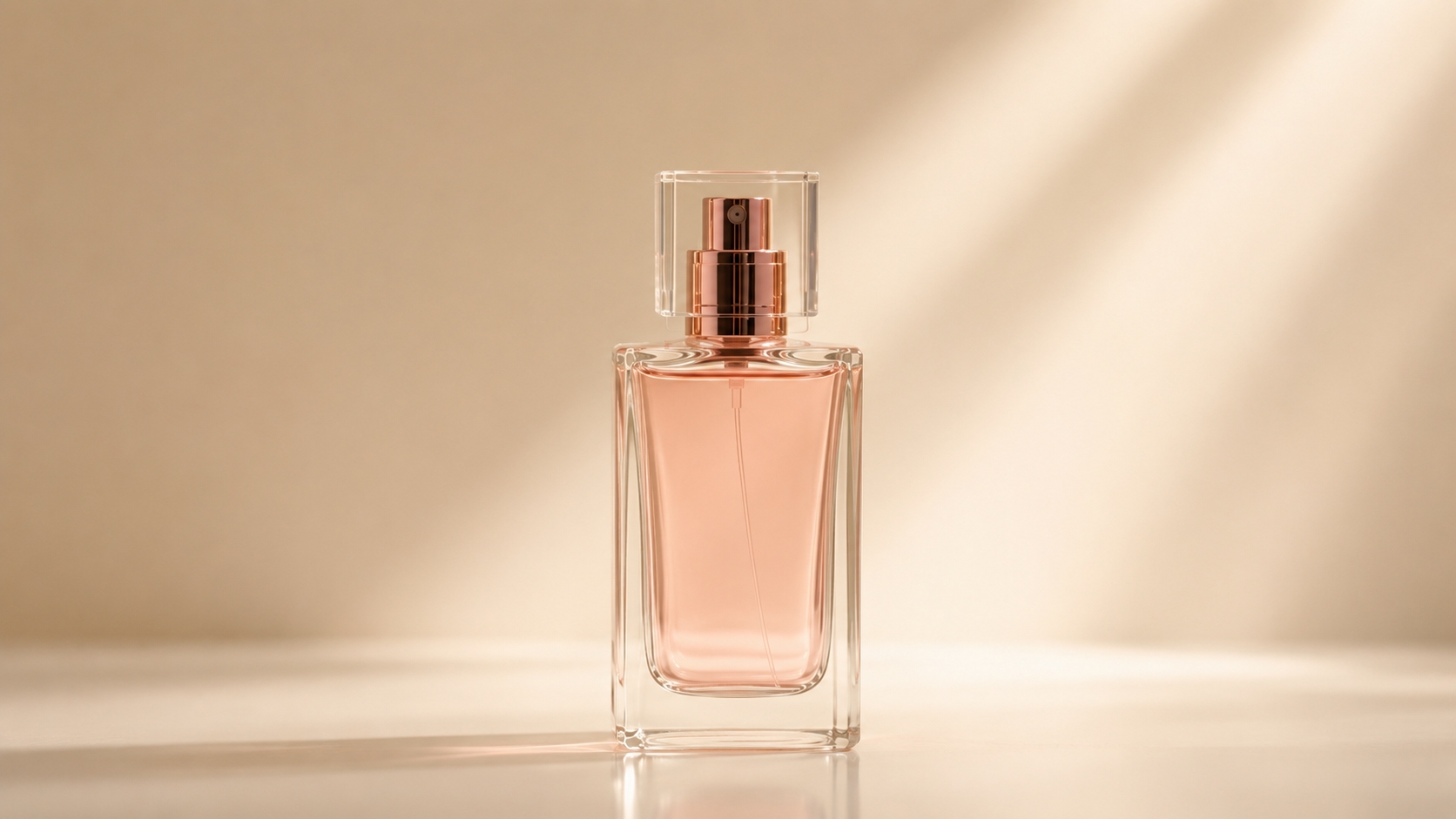
Long-Lasting Formulas
Long-lasting performance should be understood through four separate ideas: longevity, projection, sillage, and skin scent.
| Term | Meaning | Why It Matters |
|---|---|---|
| Longevity | How long the fragrance remains detectable on skin, hair, or fabric. | It determines whether the product can cover commuting, work, dates, or evening use. |
| Projection | How far the fragrance can be noticed by others. | It affects whether the scent feels private, social, or overpowering. |
| Sillage | The scent trail left in the air after movement. | It influences the perceived presence of the fragrance. |
| Skin scent | The soft residue that can only be smelled at close distance. | It is important for intimate, low-projection, oil-based, and musk-based products. |
A formula can be long-lasting but low-projecting, which is common in oil-based or musk-heavy products. A light citrus spray may project clearly in the first hour but fade faster because many citrus and green materials are more volatile.
Which Ingredients Last Longer
The longevity of a body fragrance perfume depends on the volatility of aromatic molecules, their affinity with skin or fabric, the carrier system, and the balance between top, middle, and base notes. Low-volatility materials usually remain detectable for longer, while high-volatility materials create a bright opening but evaporate sooner.
This is why citrus, green, and watery top notes often feel fresh at first but need support from floral, musk, woody, amber, or resinous base materials if the product is expected to last through a workday. In contrast, woody, amber, musk, vanilla, and balsamic directions usually give better dry-down persistence, but they can feel heavy if the formula is too dense.
When a brand wants both freshness and persistence, the formula should not only increase concentration. It should build a smoother evaporation curve from top note to base note.
| Scent Family | Typical Materials | General Longevity Trend | Best Use Fit |
|---|---|---|---|
| Woody & Amber | Sandalwood notes, cedarwood notes, amber materials, labdanum-style accords. | Usually longer-lasting and warmer. | Autumn-winter, evening, mature, premium, and long-wearing products. |
| Floral Bouquet | Rose, jasmine, peony, lily, orange blossom, white floral accords. | Usually moderate and balanced. | Mainstream daily wear, broad audience, soft femininity, and giftable products. |
| Fresh & Citrus | Lemon, bergamot, grapefruit, green leaves, aquatic notes, light musks. | Usually fresher but shorter-lived. | Summer, sports, youth, shower-clean positioning, and easy reapplication. |
Fixatives and carrier materials can help slow down evaporation, but they should be used with sensory balance and regional compliance in mind. Heavy base notes or too much oily carrier may flatten the opening, reduce freshness, leave a sticky feeling, or make the product feel unsuitable for warm weather.
For regulated markets, formula review should distinguish between broad material families such as musk, amber, or woody notes and specific restricted substances. Some fragrance materials may be allowed only under defined concentration limits or product categories, so brand teams should not treat “musk” or “fixative” as a single unrestricted category.[3]
For a women's body fragrance perfume, the better formulation target is controlled persistence: a clear first impression in the first 30 minutes, stable body notes through the main wearing period, and a clean dry-down that remains pleasant at close distance.
How to Apply
Application method changes how a fragrance is perceived. Pulse points can improve early diffusion because warmer skin encourages scent release, while clothing application can reduce direct skin contact and may sometimes hold scent longer on fabric. These two effects should not be confused: warmer skin can make a scent feel more noticeable, but it does not always mean the fragrance will remain longer than it would on fabric.
- For office, school, or commuting use, 1 to 2 sprays are usually easier to control.
- For outdoor dates or evening scenarios, 2 to 3 sprays may be suitable if the formula is not overly sweet or heavy.
- For hot weather, reduce spray count because heat and sweat can make the same amount smell stronger.
- For sensitive-skin users, test a small area first or apply lightly to the outer layer of clothing.
Users should avoid rubbing the wrists together immediately after spraying. Friction can disturb the top-note impression and make the opening feel flatter or sharper than intended.
If a moisturizer is used before fragrance, the texture matters. A light, fragrance-free moisturizer that has fully absorbed can help reduce direct irritation for sensitive skin, while a thick petrolatum or heavy mineral-oil layer may reduce diffusion and change the way the fragrance develops.
Reapplication should be moderate. A fresh citrus or body mist style product may need reapplication, while an amber, musk, oil-based, or warm-sweet formula may become excessive if reapplied too often.
Storage Best Practices
Fragrance quality can change when a product is exposed to heat, light, air, and repeated temperature swings. Consumers should avoid storing fragrance in bathrooms, cars, windowsills, or beside radiators because these environments can accelerate scent deviation and packaging stress.
| Storage Rule | Recommended Condition | Purpose |
|---|---|---|
| Temperature | Cool, stable room temperature. | Reduces heat-driven scent change. |
| Light | Keep away from direct sunlight. | Helps limit light-driven degradation. |
| Seal | Close the cap tightly after use. | Reduces evaporation and contamination risk. |
| Humidity | Avoid bathrooms and damp storage spaces. | Protects atomizer, label, cap, and carton stability. |
For manufacturers, ISO 22716 gives cosmetics GMP guidance covering production, control, storage, and shipment of cosmetic products.[4] This supports quality management, but it should not be used as a substitute for formula safety assessment, stability testing, or market-specific regulatory review.
A simple consumer rule is enough for most products: keep the bottle cool, shaded, tightly closed, and away from daily temperature swings.
If the fragrance becomes sour, metallic, rancid, unusually alcoholic, visibly cloudy, heavily separated, or much darker than before, users should avoid applying it directly to sensitive skin. For brands, these changes should be included in stability observation records because they affect scent quality, complaint risk, and repeat-purchase confidence.
Skin Safety
Skin safety is especially important for women's body fragrance perfume because the product may be used repeatedly and may contact warmer or more sensitive skin areas. A formula can smell pleasant and still be unsuitable for sensitive users if allergen control, alcohol impact, oxidation stability, preservative compatibility, or phototoxicity risk is not managed.
The following recommendations are general product-use guidance and do not replace advice from a dermatologist, especially for users with eczema, rosacea, contact dermatitis, damaged skin, pregnancy-related sensitivity, or a known fragrance allergy.
Always Patch-Test First
Fragrance contact allergy is a recognized form of allergic contact dermatitis, and a positive patch-test reaction to a fragrance preparation indicates fragrance contact allergy rather than simple dislike of a smell.[5] Published reviews generally place fragrance contact allergy in the general population at a low but meaningful prevalence, while rates are higher among dermatitis patients and fragrance-exposed groups.[6]
- Apply a very small amount of product to the inner forearm or behind the ear.
- Observe the area for at least 24 hours, and extend to 48 hours if the user has sensitive skin.
- Do not test immediately after shaving, exfoliation, sunburn, hot bathing, or on broken skin.
- If redness, swelling, burning, blisters, or spreading itching occurs, rinse the area and discontinue use.
A home patch test is only a precaution. Users with known fragrance allergy or repeated reactions should seek professional patch testing, because fragrance sensitivity can involve specific allergens that are difficult to identify from scent impression alone.
For product pages and retail communication, patch-test or HRIPT results should be explained carefully. A controlled test with no positive reactions does not mean every consumer has zero risk; it means the tested formula showed no positive reactions under the defined method, concentration, subject number, and observation window.
Care Tips for Sensitive Skin
Sensitive-skin users should reduce both direct exposure and over-application. They can choose lower-projection formulas, apply fragrance to clothing instead of skin, avoid freshly shaved areas, and keep the product away from the neck fold, underarm, chest center, and damaged skin.
- Choose fragrance-free moisturizer before fragrance if the skin barrier feels dry.
- Allow moisturizer to absorb before spraying.
- Use fewer sprays and avoid repeated reapplication if discomfort appears.
- Avoid citrus-heavy products before strong sun exposure when phototoxicity is relevant.
- Stop use if stinging, burning, swelling, or persistent redness appears.
Natural materials should not automatically be treated as safer than synthetic materials. Essential oils and botanical extracts can contain allergens such as limonene, linalool, citral, eugenol, geraniol, or cinnamal, and oxidation can change their sensitization potential over time.[7]
Sensitive-skin positioning should be supported by allergen screening, concentration control, stability testing, and clear usage instructions rather than by the word “natural” alone.
For brands, reducing alcohol may improve comfort for some users, but it can also affect solubility, spray fineness, drying speed, microbial stability, and scent lift. A sensitive-skin body fragrance therefore needs a balanced carrier system instead of a simple alcohol reduction.
Ingredients to Review or Avoid
The EU Cosmetics Regulation establishes rules for cosmetic products placed on the EU market, including safety obligations and annexes for prohibited and restricted substances.[8] EU Regulation 2023/1545 updated fragrance allergen labeling requirements by expanding the list of fragrance allergens that must be declared when they exceed applicable thresholds in cosmetic products.[9]
Under the EU fragrance allergen labeling update, many listed allergens must be declared when their concentration exceeds 0.001% in leave-on products or 0.01% in rinse-off products. Cosmetic products that do not comply with certain updated restrictions may be placed on the EU market only within the transitional period set by the regulation.[10]
Ingredient restrictions can be difficult for ordinary readers because not all substances have the same regulatory status. Some substances are prohibited, some are allowed only below defined limits, some require labeling above thresholds, and some are reviewed by brands or retailers even when they are not legally banned in the same way.
| Ingredient or Category | Regulatory or Safety Point | Reader Takeaway |
|---|---|---|
| Methylisothiazolinone (MIT) | The EU moved to prohibit MIT in leave-on cosmetic products because no safe concentration for induction or elicitation of contact allergy had been adequately demonstrated for leave-on use.[11] | Especially relevant for leave-on body fragrance, wipes, lotions, and sensitive-skin products. |
| Butylphenyl Methylpropional (Lilial) | EU Regulation 2021/1902 added certain CMR-classified substances to cosmetic prohibition controls, including substances affected by Annex II updates.[12] | EU-export products should remove Lilial-class materials before sampling and launch review. |
| Geraniol, Cinnamal, Limonene, Linalool, Citral, Eugenol | These are common fragrance allergens that may require labeling when present above regulatory thresholds. | Important for users who already know they react to floral, citrus, cinnamon, clove, balsamic, or essential-oil scents. |
| Diethyl Phthalate (DEP) | DEP has been used as a solvent or carrier in fragrance applications. The FDA states that it does not have safety concerns with DEP as currently used in cosmetics and fragrances, but brands may still review it under retailer policies or market preferences.[13] | DEP should not be described as banned in the same way as MIT in leave-on products or Lilial in EU cosmetics. |
For U.S. consumers, fragrance ingredients may be listed under the term “fragrance” or “parfum,” and the FDA notes that people concerned about fragrance sensitivities may want to choose fragrance-free products and check ingredient information carefully.[14]
For product development, the safest workflow is to screen restricted ingredients before pilot sampling, not after the scent has already been approved by the brand team.
Reformulating a finished fragrance can be difficult because removing one base-note material may affect longevity, color, stability, and emotional tone at the same time. Early compliance screening protects both market-entry speed and the final sensory experience.
Microbial and Manufacturing Safety
Body fragrance formulas vary widely. Alcohol-rich products usually have lower microbial risk than water-rich mists or emulsified formats, but each formula still needs a risk-based quality review. ISO 11930 specifies procedures for interpreting preservation efficacy testing or microbiological risk assessment when evaluating the overall antimicrobial protection of a cosmetic product.[15]
For water-containing body mists, emulsions, or low-alcohol formats, preservative efficacy and packaging hygiene should be assessed more carefully. For oil-based or alcohol-rich products, the review may focus more on oxidation, compatibility, leakage, atomizer performance, and fragrance stability.
Multiple Choices
Choice in women's body fragrance perfume should be based on format, scent family, season, skin type, and social distance. A fragrance for close evening wear can be richer and lower-projecting, while a fragrance for commuting should stay cleaner and less intrusive.
| Choice Factor | What to Consider | Practical Direction |
|---|---|---|
| Format | Spray, oil, mist, or hybrid format. | Choose spray for wider diffusion and oil for closer skin-level wear. |
| Scent family | Fresh floral, warm sweet, citrus, musk, woody amber, powdery soft. | Match emotional tone with the target audience and use scenario. |
| Season | Heat, humidity, cold weather, and indoor use. | Use lighter notes in summer and richer notes in autumn-winter. |
| Skin type | Normal skin, dry skin, oily skin, or sensitive skin. | Adjust alcohol impact, carrier system, and allergen control. |
| Social distance | Office, school, commuting, dating, home, or evening wear. | Control projection so the fragrance fits the environment. |
Spray vs. Oil
Body fragrance perfumes commonly appear as sprays, mists, oils, or hybrid formats. Spray formats usually give faster diffusion and a clearer first impression. Oil formats usually sit closer to the skin and may give a longer, softer dry-down.
| Format | Projection | Longevity Trend | Best Fit | Possible Trade-Off |
|---|---|---|---|---|
| Spray or mist | Usually wider and quicker. | Depends on concentration and base-note support. | Daytime work, commuting, clean first impression, wider diffusion. | May fade faster and may feel more volatile. |
| Oil | Usually closer to skin. | Often longer in dry-down but less diffusive. | Evening, intimate settings, low-projection wear, longer skin scent. | May feel heavier and can transfer to clothing if over-applied. |
- Spray formats are better for users who want a clean first impression, faster drying, wider diffusion, and a familiar perfume experience.
- Oil formats are better for users who prefer a close-to-skin scent, lower alcohol feel, longer dry-down, and intimate projection.
- Layering can work when the oil and spray are designed as a matched pair, but unrelated formulas may clash or become too heavy.
For brands, spray remains the safer mass-market entry format because consumers understand how to use it and retailers can explain it easily. Oil-based fragrance is more suitable for differentiated lines, sensitive-skin positioning, gift sets, travel formats, or premium close-contact scenarios.
Fresh Floral
Fresh floral is one of the easiest body fragrance families for consumers to understand because it connects with familiar ideas such as clean clothes, fresh flowers, morning shower, and soft femininity. It is usually safer for first-time fragrance users than dense gourmand, smoky, or heavy amber compositions.
| Fresh Floral Direction | Best Fit | Formulation Note |
|---|---|---|
| Rose + jasmine + peony | Classic feminine daily wear. | Balances floral recognition and softness. |
| Citrus + jasmine + cedar | Younger, cleaner, and brighter positioning. | Uses citrus freshness with woody support. |
| Aquatic + lotus + white musk | Shower-clean, light, and low-pressure daily use. | Works well for soft projection and comfort. |
Fresh floral suits daily commuting, business meetings, school, and low-pressure dates. Its strength is comfort and broad acceptance, not dramatic impact. In product copy, this difference should be stated clearly so customers do not expect a light floral body fragrance to perform like a heavy amber perfume.
Fresh floral is less suitable for users who want a bold signature, strong room presence, or very long overnight persistence.
Warm Sweet
Warm sweet compositions center on amber, vanilla, tonka, caramel, almond, coffee, honey, tobacco, and gourmand-style accords. This family usually creates a stronger emotional image than fresh floral because it connects with warmth, comfort, dessert, skin intimacy, and evening atmosphere.
| Warm Sweet Axis | Emotional Image | Best Scenario |
|---|---|---|
| Amber + vanilla + tonka bean | Warm, soft, sweet, and comforting. | Autumn-winter, dates, evening, and self-care products. |
| Caramel + almond + coffee | Gourmand, cozy, dessert-like, and memorable. | Gift sets, winter campaigns, and younger warm-sweet positioning. |
| Honey + tobacco + cedar | Richer, deeper, mature, and more textured. | Premium, intimate, and night-use fragrance lines. |
Warm sweet fragrances are useful for products positioned around dating, winter, sleep rituals, self-care, or premium gift sets. However, the same sweetness that makes the scent memorable can also become tiring if the formula is too dense or if the user applies too many sprays.
Warm sweet body fragrance should be described as rich, lasting, and close-wearing rather than simply “strong.”
- For hot and humid markets, warm sweet formulas should be softened with clean musk, light woods, tea, transparent amber, or a small citrus opening.
- For colder regions, the same family can carry more vanilla, tonka bean, coffee, resin, or amber warmth.
- For sensitive-skin positioning, sweet and balsamic materials should still be screened for allergen labeling and regional restrictions.
Fresh Citrus, Clean Musk, Woody Amber, and Powdery Soft
| Scent Direction | Best Fit | Development Note |
|---|---|---|
| Fresh Citrus | Summer freshness, gym bags, travel, casual daytime use. | Needs base-note support or reapplication guidance. |
| Clean Musk | Freshly showered positioning and sensitive daily wear. | Should avoid being too quiet, flat, or laundry-like. |
| Woody Amber | Mature, premium, autumn-winter, and evening use. | Should be adjusted for climate and projection level. |
| Powdery Soft | Comfort, skin-like warmth, bedtime, and self-care products. | Should avoid an outdated cosmetic-powder feel. |
- If the priority is long wear, choose woody, amber, musk, oil-based, or EDP-style formulas and control spray count in warm weather.
- If the priority is freshness, choose fresh citrus, aquatic, clean musk, or light floral formulas and accept that reapplication may be needed.
- If the priority is sensitive-skin comfort, choose formulas with controlled allergen levels, clear patch-test support, and conservative usage instructions.
- If the priority is brand development, define the use scenario first, then decide scent family, carrier format, concentration, safety standard, stability requirement, and packaging system.
The most common mistake is to treat “longer-lasting” as the only quality standard.
For women's body fragrance perfume, too much persistence can become a problem if the fragrance is too sweet, too dense, or too strong for daily social distance. A helpful product should explain what kind of user and situation it fits, what trade-off it makes, and how to apply it safely.
Body fragrance perfume selection should return to a three-axis balance of long-lasting formulation, skin safety, and scent-family fit. Woody and amber directions usually last longer but feel warmer. Fresh citrus feels cleaner but fades faster. Floral bouquet sits in the middle with the broadest daily-wear audience. Spray formats suit daytime wide-projection scenarios, while oil formats fit nighttime close-to-skin wear.
As a fragrance OEM/ODM manufacturer, XuLei can support brand customers from scent screening, fixative optimization, allergen review, stability testing, packaging compatibility, and documentation preparation to finished product development. For competitive body fragrance products, the final advantage should come from a balanced formula, credible safety review, clear usage guidance, and a scent story that matches the consumer's real daily scenario.