
How to Define a Perfume Scent Direction | Reference Fragrances, Key Notes, Consumer Profile
A clear perfume scent direction should cover six things: who will wear it, the main scent family, the key notes, the reference fragrances, the performance target, and what the perfume should avoid.
For example: woody musk, green fig as the main note, bergamot in the opening, sandalwood and musk in the dry-down, sweetness at 2/5, opening freshness at 4/5, projection at 3/5, and a 6-8-hour wear target. Marine notes, syrupy fruit, and a strong powdery smell should be avoided.
Note on the numbers: The scores, time points, sample sizes, and ranges used below are examples for product development. They are not fixed perfume-industry standards.
Build the Consumer Profile
| Consumer Detail | Example Target | What to Write in the Brief |
|---|---|---|
| Main age range | 25-35 | Use age as a market group, not as proof of scent preference |
| Main use | Office / daily wear / dinner | A fragrance that works from daytime to casual evening use |
| Preferred scent style | Clean woody / musk / tea / green fig | Woody musk with a fresh green feel |
| Sweetness preference | 2/5 | Low sweetness; no syrupy or candy-like smell |
| Freshness target | 4/5 in the opening | Citrus-green freshness rather than a marine smell |
| Projection target | 3/5 | Easy to notice nearby, but not strong enough to fill a room |
| Originality target | 2/4 | Easy to understand, but with one clear signature |
| Wear target | 6-8 hours | Still clearly noticeable under the agreed test method |
Useful consumer information can come from:
- reviews of existing products
- fragrance sampling feedback
- customer interviews
- customer-service records
- repeat-purchase feedback
- retail and distributor feedback
- small consumer tests
| Customer Comment | Too Vague | Better Development Direction |
|---|---|---|
| “It smells fresh at first but becomes weak too quickly.” | Make it longer-lasting | Keep the bright opening and make the woody-musky part easier to notice from 2-6 hours |
| “It is too sweet.” | Reduce sweetness | Target sweetness at 2/5 and reduce syrupy fruit and dessert-like vanilla |
| “It smells too strong at work.” | Make it softer | Target projection at 3/5 during the first 1-2 hours |
| “It smells clean but too ordinary.” | Make it more unique | Keep the clean woody-musk base and make the green fig note more recognizable |
The target customer, product type, price, and market should be clear before starting custom perfume development.
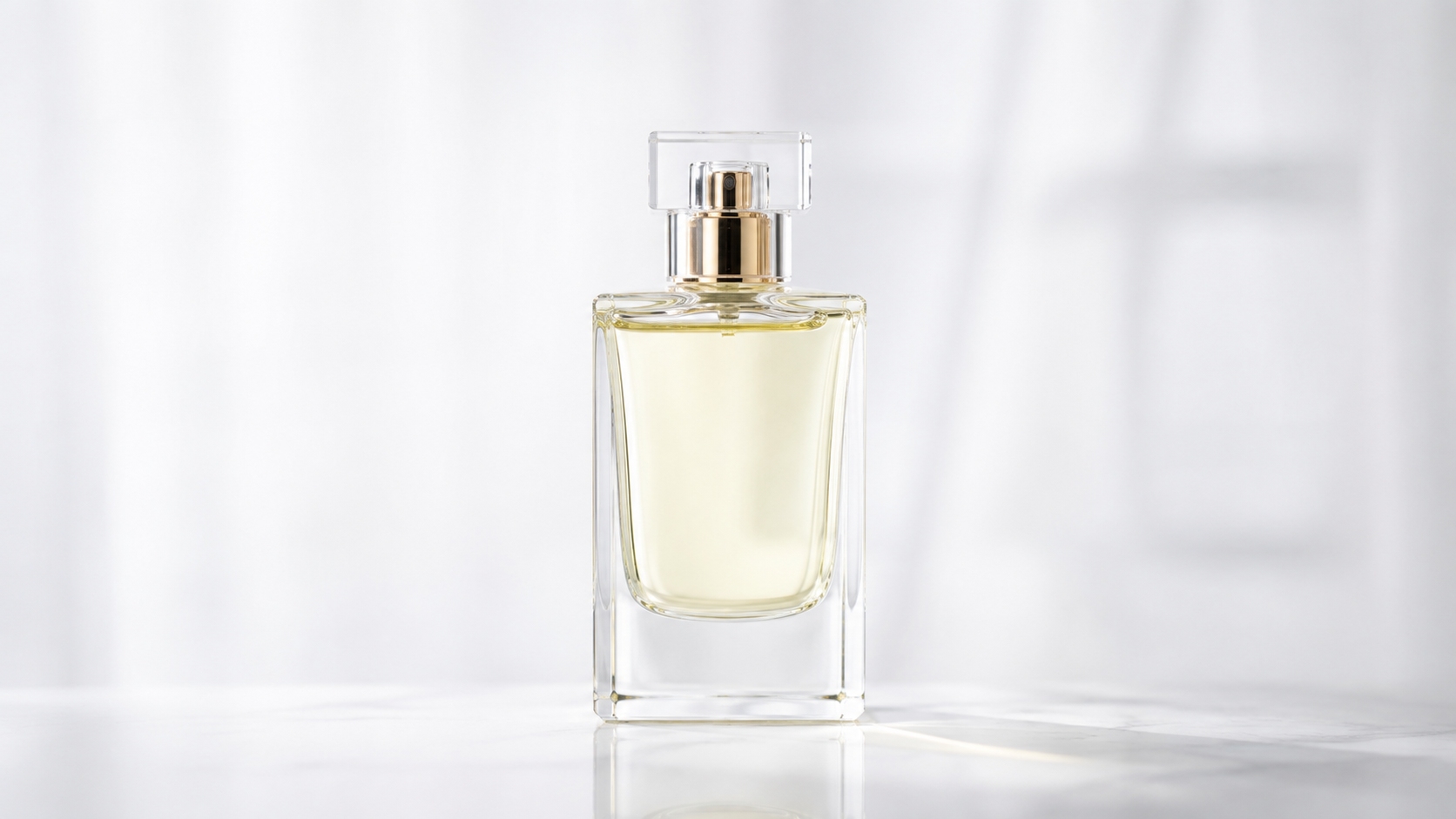
Set Product, Use, and Cost Limits
| Use | Possible Scent Direction | What to Check |
|---|---|---|
| Office | Clean musk, tea, citrus, soft woods, controlled sweetness | Keep projection low to medium |
| Daily wear | Easy-to-recognize main note with balanced freshness and dry-down | Keep the scent character clear for several hours |
| Evening | Warmer woods, amber, vanilla, spice, richer florals | Allow a stronger presence and scent trail |
| Warm conditions | Citrus, green, aromatic, watery, light woody, or controlled amber | Check whether sweetness or heaviness becomes too strong |
| Cold conditions | Amber, woods, vanilla, spice, leather, resinous notes | Check whether the opening becomes too weak |
| Product Detail | What Should Be Set |
|---|---|
| Product format | Example: 50 mL alcohol-based Eau de Parfum |
| Retail position | Mass / masstige / premium / niche |
| Target market | The country or region where the perfume will be sold |
| Formula cost | Must fit the approved finished-product cost |
| Packaging | Bottle, pump, gasket, cap, decoration, and outer box should fit the product plan |
| Compliance | Check the actual product type and the rules of the target market |
Example: Premium 50 mL Eau de Parfum. Medium projection, 6-8-hour wear target, and fragrance cost kept within the approved project budget.
XUELEI's OEM/ODM process covers fragrance, packaging, testing, cost, and production before mass production begins.
Turn Brand Words into Clear Scent Descriptions
| Vague Word | What Needs to Be Clear | Better Description |
|---|---|---|
| Fresh | Citrus, green, watery, herbal, aromatic, or clean musk? | Bergamot and green-tea freshness, 4/5 in the opening, with no marine smell |
| Luxury | Smooth or powerful? Light or rich? Dry or sweet? | Smooth woody musk, low sweetness, creamy dry-down, no harsh woody edge |
| Sexy | Warm, skin-like, sweet, spicy, dark, or strong? | Warm sandalwood musk with soft amber and medium projection |
| Natural | Green, botanical, earthy, realistic floral, or low sweetness? | Green leafy fig with dry woods and controlled sweetness |
| Modern | Light, clean, simple, mineral, or highly diffusive? | Light woody musk with a clear green note |
Better: “Clean woody musk, sweetness 2/5, with a creamy sandalwood dry-down.”
Too vague: “Modern luxury fragrance with timeless elegance.”
Select the Fragrance Family
| Term | Simple Meaning | Example |
|---|---|---|
| Family | The main scent style | Woody, floral, citrus, amber |
| Note | A smell the wearer can recognize | Pear, rose, tea, sandalwood |
| Accord | Several materials blended to create one smell | Amber accord, fig accord |
| Material | An actual ingredient used by the perfumer | Natural or synthetic fragrance material |
| Main Family | Useful Words | Example Brief |
|---|---|---|
| Citrus | Bright, sparkling, sharp, green, bitter | Bright bergamot opening with clean woody-musky support |
| Floral | Light, rich, soft, green, creamy | Soft jasmine that supports the heart without becoming too strong |
| Fruity | Juicy, crisp, tart, ripe, dark, creamy | Juicy pear without a candy-like smell |
| Woody | Dry, creamy, smoky, warm, mineral, clean | Creamy sandalwood with no dry, scratchy edge |
| Amber | Warm, resinous, sweet, spicy, woody | Warm amber with low sweetness and a clean woody base |
| Gourmand | Vanilla, caramel, coffee, cocoa, praline, honey | Creamy vanilla without a frosting-like sweetness |
A fig note does not mean there is one single “fig ingredient.” A perfumer can create a fig smell by blending several materials.
Build the Reference-Fragrance Table
| Feature | Reference A | Reference B | Target | Acceptable Range |
|---|---|---|---|---|
| Opening | Bright, sharp | Soft, fruity | Bright but smooth | No harsh opening edge |
| Main scent | Citrus wood | Pear musk | Green fig musk | Fig stays easy to recognize |
| Sweetness | 2/5 | 4/5 | 2.5/5 | 2-3/5 |
| Freshness | 4/5 | 2/5 | 4/5 | 3.5-4.5/5 |
| Texture | Dry | Creamy | Creamy and light | No oily or heavy feel |
| Projection | 5/5 | 2/5 | 3/5 | 2.5-3.5/5 |
| Dry-down | Woody | Musky | Sandalwood musk | Soft and easy to recognize |
| Reference | Keep | Avoid |
|---|---|---|
| Reference A | Clean, bright opening | Sharp woody dry-down |
| Reference B | Creamy feel | High sweetness |
| Reference C | Soft musky dry-down | Powdery smell |
Reference fragrances should be used to show specific details. They should not be used as instructions to copy another perfume. XUELEI's perfume sample approval process also records what should stay, what should change, and what should be avoided before another sample is made.
Give Every Key Note a Clear Job
| Scent Effect | Job | Priority | When It Should Be Noticeable |
|---|---|---|---|
| Green fig | Main signature | 4/4 | Opening through heart |
| Sandalwood | Main body | 3/4 | Heart through dry-down |
| Clean musk | Base support | 3/4 | Heart and dry-down |
| Bergamot | Fresh opening | 2/4 | Early stage |
| Soft jasmine | Support | 2/4 | Heart |
The priority score shows how important the smell is in the brief. It does not show the percentage used in the formula.
| Too General | Clearer Description |
|---|---|
| Rose | Fresh green rose, not jammy |
| Vanilla | Dry vanilla, not cupcake-like |
| Pear | Juicy pear, not candy-like |
| Musk | Clean white musk, not animalic |
| Sandalwood | Creamy sandalwood, with no dry scratchy edge |
Set the Smelling Timeline
| Time | What to Check | Revise If |
|---|---|---|
| 0-5 minutes | Opening | Too sharp, alcoholic, flat, sweet, or dominated by one note |
| 15-30 minutes | Change from opening to heart | Freshness disappears too fast or sweetness rises too quickly |
| 1-2 hours | Main scent | Fig or another key note is no longer clear |
| 4-6 hours | Body and strength | The perfume becomes too weak, heavy, dry, or sweet |
| 8+ hours | Late dry-down | Only generic musk, flat sweetness, or harsh wood remains |
| Next day on blotter | Remaining base | The smell is harsh, sour, too musky, or very different from the brief |
Dry-down target: After 6-8 hours, soft sandalwood and clean musk should still be noticeable, with a small trace of green fig.
Use the same spray method when comparing samples. Spray amount, pump output, distance, alcohol base, sample age, raw-material batches, filtration, storage, and packaging can all change what is smelled. XUELEI lists common causes in its guide to perfume sample differences.
Use the Same Scale for Sweetness, Freshness, and Projection
| Score | Sweetness | Freshness | Projection |
|---|---|---|---|
| 1/5 | Very dry | Very low | Very close to the skin |
| 2/5 | Slight sweetness | Low | Soft |
| 3/5 | Medium | Medium | Easy to notice nearby |
| 4/5 | Clearly sweet | Fresh | Strong |
| 5/5 | Very sweet / gourmand | Very fresh | Very strong |
| Attribute | Example Target |
|---|---|
| Opening sweetness | 2/5 |
| Dry-down sweetness | 2-2.5/5 |
| Opening freshness | 4/5 |
| Dry-down freshness | About 2/5 |
| Projection | 3/5 |
| Freshness type | Citrus-green |
| Freshness to avoid | Strong marine / aquatic smell |
Describe Texture with Simple Words
| Texture | Simple Meaning | Example |
|---|---|---|
| Creamy | Soft, rounded, smooth | Creamy sandalwood |
| Dry | Not very sweet | Dry cedar or vetiver |
| Airy | Easy to notice but not heavy | Airy musk |
| Powdery | Soft, makeup-like smell | Powdery iris or musk |
| Sparkling | Bright and lively | Sparkling citrus opening |
| Dense | Rich and heavy | Dense amber base |
Too general: Sandalwood and musk.
Clearer: Creamy sandalwood and soft skin musk with no dry, scratchy edge.
Set Performance Targets
| Performance Area | Example Target | Problem to Watch For |
|---|---|---|
| Opening strength | 4/5 | Opening feels flat or too harsh |
| Projection, first 1-2 hours | 3/5 | Too close to the skin or too strong |
| Scent trail | Noticeable | No trail or too much trail |
| 4-hour scent | Fig and sandalwood still clear | Main scent has disappeared |
| Wear target | 6-8 hours | Clearly weak before the target time |
| Late dry-down | Soft musk and sandalwood | Harsh wood or generic sweet musk |
EDP and EDT names do not guarantee a fixed level of strength or wear time. The result also depends on the formula, amount applied, skin, temperature, airflow, and test method.
Check Climate and Packaging
| Condition | What to Check |
|---|---|
| Warm market | Does sweetness, amber, musk, or projection become too strong? |
| Cool market | Does the opening or projection become too weak? |
| Clear / light packaging | Does the perfume match the expected clean or light feel? |
| Dark / heavy packaging | Does the perfume match the expected depth or strength? |
| Finished bottle | Check pump output, gasket, cap, leakage, appearance, and compatibility |
Warm-market amber example: Keep the amber smell, but avoid a thick, syrupy dry-down. Test the finished perfume under warm-use conditions.
XUELEI's perfume manufacturing process covers fragrance preparation, filling, packaging, inspection, and finished-product checks.
Set the Originality Level and Avoid List
| Level | Style | Meaning |
|---|---|---|
| 1/4 | Familiar | Easy for most customers to understand |
| 2/4 | Familiar with a twist | Easy-to-understand structure with one clear signature |
| 3/4 | More distinctive | Several less common effects, but still easy to wear |
| 4/4 | Experimental | Unusual smells such as smoke, ink, metal, soil, or animalic notes |
| What to Avoid | How to Write It |
|---|---|
| Heavy powder | No clearly powdery dry-down |
| Animalic musk | Musk should stay clean and soft |
| Syrupy fruit | Fruit should smell juicy or fresh, not syrupy |
| Smoky leather | No clear smoke or leather smell |
| Marine smell | No strong aquatic or marine accord |
| Candy sweetness | Sweetness target 2/5 |
| Heavy patchouli | Patchouli may support the formula but should not be easy to recognize |
A smell restriction is different from banning an ingredient. A true ingredient ban should only be used when there is a safety, legal, certification, sourcing, or brand-policy reason.
Test Samples the Same Way
| Test Item | Example Setting |
|---|---|
| Samples per comparison | 2-4 |
| Blotter | Use the same type for all samples |
| Spray method | Use the same atomizer and spray count where possible |
| Blotter application | Example: 1-2 sprays with the same atomizer |
| Opening check | 0-5 minutes |
| Transition check | 15-30 minutes |
| Heart check | 1-2 hours |
| Development check | 4-6 hours |
| Late dry-down | 8+ hours |
| Repeat test | Another day for important comparisons |
- Use coded sample names.
- Keep the test times the same.
- Do not wear a strong personal perfume during testing.
- Avoid scented hand products, candles, smoke, and strong room fragrance.
- Use blotters for side-by-side comparison.
- Use skin testing for shortlisted samples that are intended for skin use.
Coffee beans should not be treated as a guaranteed way to “reset” the nose. A controlled experiment found no improvement in later odor identification compared with lemon or plain air.[1]
When the nose becomes tired, use clean air and take a short break.
Score Samples Against the Brief
| Item | Target | Sample A | Sample B |
|---|---|---|---|
| Opening match | 4/5 | 3/5 | 4/5 |
| Fig signature | 4/5 | 2.5/5 | 4/5 |
| Sweetness | 2/5 | 4/5 | 2.5/5 |
| Freshness | 4/5 | 3/5 | 4/5 |
| Projection | 3/5 | 5/5 | 3/5 |
| Dry-down quality | 4/5 | 3/5 | 4/5 |
| Brand fit | 4/5+ | 3/5 | 4.5/5 |
| Difference from Target | Example Action |
|---|---|
| 0-0.5 point | Small difference; check whether it really affects the overall result |
| More than 0.5 to 1 point | Check whether a change is needed |
| More than 1 point | Usually a clear miss on that item |
The importance of the item also matters. A 0.5-point difference in the main fig signature may matter more than the same difference in a background note.
Write Clear Revision Instructions
| Too Vague | Clearer Feedback |
|---|---|
| Make it fresher | Increase citrus-green freshness during the first 20 minutes; do not add a marine smell |
| It is too sweet | Reduce sweetness from about 4/5 toward 2/5; reduce syrupy pear and dessert-like vanilla |
| It is too strong | Reduce first-hour projection from about 5/5 toward 3/5 |
| It does not smell premium | Reduce the sharp woody edge in the opening and keep the creamy sandalwood dry-down |
Simple feedback format: When + Problem + Change + Avoid + Keep.
During the first 20 minutes, the pear is too sweet. Reduce the candy-like fruit smell, keep the current freshness, do not add a marine effect, and keep the sandalwood dry-down unchanged.
| Type | Example |
|---|---|
| Sample revision | The clean fig-musk direction is still correct; this version is simply too sweet |
| New scent direction | Fig is no longer needed; change the concept to floral tea |
Run a Small Consumer Test
| What to Measure | Question |
|---|---|
| Preference | Which sample do you like more? |
| Brand fit | Which sample feels closer to the planned brand style? |
| Memorability | Which sample is easier to remember? |
| Sweetness | Which sample feels too sweet? |
| Strength | Which sample feels too strong or too weak? |
| Price fit | Which sample feels more suitable for the planned price? |
| Purchase intent | Which sample would you be more likely to buy? |
Example 30-person test:
| Measure | Sample A | Sample B |
|---|---|---|
| Preferred sample | 19 / 30 | 11 / 30 |
| Brand fit | 3.4/5 | 4.1/5 |
| Memorability | 3.1/5 | 4.0/5 |
| Purchase intent | 3.5/5 | 3.8/5 |
In this example, more people choose Sample A, but Sample B scores better for brand fit, memorability, and purchase intent. The sample with the most votes is therefore not always the best final choice.
Add one open question:
What three words would you use to describe this fragrance?
If the target is “clean, elegant, modern” but many people independently answer “sweet, heavy, mature,” the sample is not matching the brief.
A small group can help find clear problems. There is no fixed number of people that automatically proves market demand.
Check Safety and Compliance
| Area | What to Check |
|---|---|
| IFRA | Check the fragrance against the correct product-use category |
| Safety documents | Use the documents supplied for the actual fragrance mixture |
| Target market | Check the cosmetic rules of the country or region where the product will be sold |
| Allergen labeling | Follow the labeling rules for the target market |
| Finished product | Check stability, packaging compatibility, appearance, filling, and function |
| Manufacturing | Use suitable cosmetic GMP controls |
IFRA Standards can ban, limit, or set conditions for certain fragrance materials depending on the product use. IFRA also states that its Standards and related documents do not replace local laws or a finished-product safety assessment.[2]
Natural ingredients are not automatically free from restrictions. Essential oils and other natural fragrance materials can contain restricted substances.[2]
In the United States, perfume and cologne sold for cosmetic use are generally treated as cosmetics. FDA states that cosmetic companies are responsible for product safety and correct labeling. Fragrance mixtures may also be listed simply as “Fragrance” in many cosmetic ingredient lists instead of listing every fragrance material separately.[3]
In the EU, Regulation (EU) 2023/1545 added more individual fragrance-allergen labeling requirements. For the allergens covered by the rule, the labeling limits include 0.001% in leave-on products and 0.01% in rinse-off products.[4]
ISO 22716:2007 gives Good Manufacturing Practice guidance for cosmetic production, control, storage, and shipment.[5]
XUELEI's perfume quality-control process checks fragrance matching separately from finished-product items such as appearance, fill level, packaging function, and batch records.
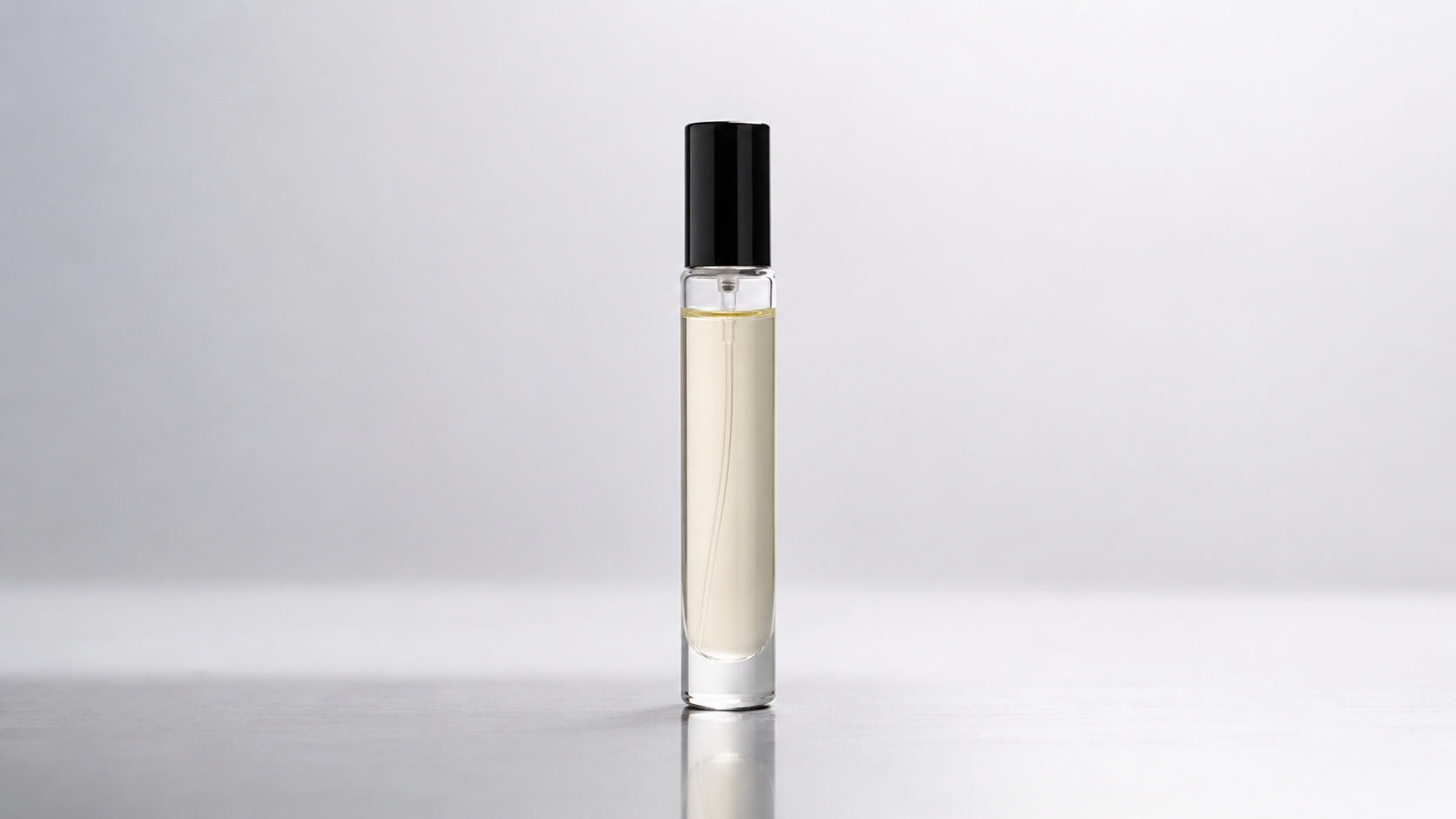
Use This One-Page Scent Brief
| Item | Example Target |
|---|---|
| Product | Unisex Eau de Parfum, 50 mL alcohol-based spray |
| Consumer | Mainly 25-35; daily use for work and dinner |
| Main family | Woody musk |
| Secondary direction | Green freshness |
| Main signature | Green fig — priority 4/4 |
| Main body | Sandalwood — priority 3/4 |
| Base support | Clean musk — priority 3/4 |
| Opening note | Bergamot — priority 2/4 |
| Sweetness | 2/5 |
| Opening freshness | 4/5 |
| Dry-down freshness | About 2/5 |
| Projection | 3/5 |
| Originality | 2/4 |
| Texture | Creamy, light, smooth |
| Wear target | 6-8 hours under the agreed test method |
| 0-5 min | Bright but smooth bergamot opening |
| 15-30 min | Green fig becomes clear |
| 1-2 h | Fig remains the main note; jasmine stays in support |
| 4-6 h | Sandalwood and musk become more noticeable |
| 8+ h | Soft sandalwood-musk dry-down with no harsh woody residue |
| Reference A | Keep the clean opening; avoid the sharp woody dry-down |
| Reference B | Keep the creamy sandalwood feel; avoid powderiness |
| Reference C | Keep the soft musk dry-down; avoid too much sweetness |
| Avoid | Heavy vanilla, obvious powder, smoky wood, marine smell, syrupy fruit, animalic dry-down |
Final Approval Check
- The customer, use, product format, market, and price are clear.
- There is one clear main fragrance family.
- The main signature note has the highest priority.
- Each reference fragrance has a clear purpose.
- The opening, middle stage, and dry-down are written down.
- Sweetness, freshness, projection, texture, and originality have clear target levels.
- The unwanted smells are listed.
- Samples are tested in the same basic way.
- Feedback says what should change and what should stay.
- Customer preference is checked separately from brand fit and purchase intent.
- Safety, legal rules, stability, packaging, and production checks are handled separately from scent preference.